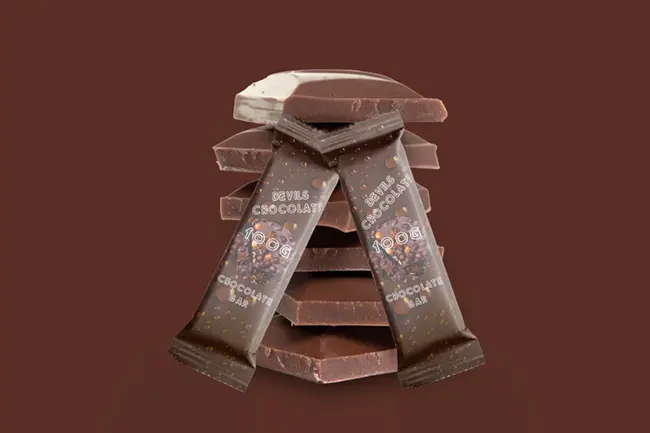
Dark chocolate isn't just a treat — it's a rich source of antioxidants, healthy fats, and brain-boosting nutrients. This guide helps you choose chocolate that's high in cacao and low in sugar, while avoiding artificial additives and overly processed ingredients.
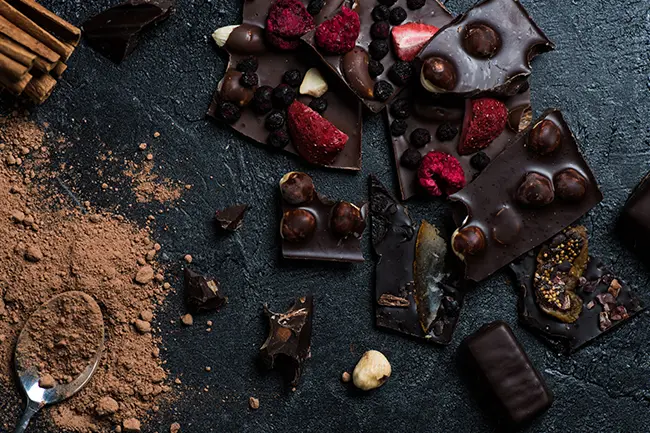
Our Passion for Nutritious Dark Chocolate
Cheaper brands are often ultra-processed — low in cacao, packed with excessive sugar, and made with unhealthy fats. Many contain additives, artificial flavours, and vegetable oils instead of real cocoa butter. With quality organic dark chocolate ranging from €4 to €5, making your own is becoming an increasingly attractive option. It's cheap and easier than you think.
If you love chocolate but care about your health, you're in the right place. This guide will help you choose chocolate that's genuinely good — high in cacao, made with clean ingredients, and sweetened in a way that suits you — whether you prefer a natural sweetener, a keto option, or you're simply curious about what's actually in your bar.
🍫 Why High Cacao Solids Matter

The percentage of cacao solids in a chocolate bar tells you how much real chocolate it actually contains. The higher the percentage — 70%, 85%, 99% — the more of the good stuff you're getting:
- Antioxidants — flavonoids and polyphenols that fight free radical damage
- Healthy fats — primarily from cocoa butter, which supports heart health
- Magnesium and iron — essential minerals most people are deficient in
- Less sugar — more space taken by cacao means less room for sugar
There's a trade-off: the higher the cacao percentage, the more bitter the taste. That's not a flaw — it's the real flavour of chocolate before the sugar industry got involved. For meaningful health benefits, aim for at least 70% cacao. For maximum benefit, go for 85% or above.
🦅 Sweetening Healthy Chocolate Naturally
High cacao chocolate can be bitter — especially at 90–100% cacao solids. If you want to sweeten dark chocolate at home or make your own, here are clean options that suit different diets:
Natural Sweeteners
Raw honey, maple syrup, or coconut sugar. These add sweetness with trace minerals and a lower glycaemic impact than refined sugar. Best choice for kids.
Keto-Friendly Options
Erythritol, monk fruit, or stevia drops work well for low-carb and keto diets. You can also simply dip high-cacao chocolate into cold heavy whipped cream.
Flavour Twist
Melt and remake with peppermint or mint extract for an easy minty dark chocolate. A small amount goes a long way and completely changes the character of the bar.
Regular Sugar — Still a Valid Option
Especially for kids. A small amount of regular sugar in homemade chocolate is perfectly fine — your grandparents used it and nobody considered it harmful. The key is the amount and what it's combined with.
🏠 Homemade with Sugar Beats Mainstream Every Time
If you're making chocolate at home for kids — or for yourself — and you want to use regular sugar, go ahead. A small amount of sugar in a bar made from real cocoa, coconut oil, and clean ingredients is a completely different product to a mainstream chocolate bar.
Nobody making chocolate at home would dream of using the quantities of sugar found in a Mars bar or Dairy Milk — let alone the palm oil, glucose syrup, artificial emulsifiers, and chemical flavourings that go alongside it. That's the real issue with mainstream chocolate: it's not just the sugar, it's that amount of sugar combined with all those other ingredients.
Homemade chocolate with a teaspoon of sugar? Completely reasonable. Fifteen teaspoons of sugar mixed with palm fat, glucose syrup, and soy lecithin? That's a different conversation entirely.
Note for parents: Some keto-friendly sweeteners — particularly erythritol and xylitol — can cause digestive issues in children. Natural sweeteners like honey or maple syrup are generally the safer choice for kids. And if you just want to use a small amount of regular sugar, that's absolutely fine too.
⚠️ Watch Out for Hidden Ingredients
Many commercial chocolates include cheap fillers and emulsifiers. Always read the label and aim for short ingredient lists. Here's a simple rule of thumb:
✅ Look For
- Cocoa mass / cacao
- Cocoa butter
- Vanilla (natural)
- High cacao % (70%+)
- Minimal sugar
❌ Avoid
- Palm oil
- Vegetable fats
- Artificial flavours
- Glucose syrup
- Glucose-fructose syrup
📢 Low-Quality Store Chocolate — The Truth
Most store-bought chocolate — especially bars marketed to children — is so low in cacao solids that it can't legally be defined as chocolate in many jurisdictions. Manufacturers replace the healthy cacao with vegetable fats (often palm oil), sugar, glucose syrup, glucose-fructose syrup, whey powder, and emulsifiers.
These bars offer no meaningful nutritional value. They spike blood sugar fast, contribute to insulin resistance with regular use, and are formulated specifically to override your body's natural satiety signals. The short ingredient list on real dark chocolate isn't a marketing trick — it's the actual difference.
🌿 Organic vs Non-Organic Chocolate
Organic chocolate means the cacao beans were grown without synthetic pesticides, herbicides, or GMOs. The benefits:
- Fewer toxins in the final product — important if you're eating chocolate regularly
- Environmentally friendly sourcing — better for the soil and the farmers
- Often better taste and higher cacao quality — organic producers tend to care more about the bean
It's not essential, but organic + high cacao is a winning combination. If you can only do one, prioritise cacao percentage over organic certification.
🎡 Make Your Own Healthy Chocolate at Home

DIY chocolate lets you control every ingredient. It can be incredibly quick and simple, or a fun family activity. Here's the fastest method:
Quick Homemade Dark Chocolate
You need:
- 1 cup of unsweetened cacao powder
- ⅓ cup of melted coconut oil
- Erythritol (keto-friendly) or honey to taste
Method: Blend the sweetener with the coconut oil and cacao powder until smooth. Pour into chocolate moulds. Chill in the fridge. That's it.
Add toppings before chilling: coconut flakes, crushed nuts, sea salt, or frozen or dried berries all work well. Keep refrigerated right up until you're ready to eat.
Dark Chocolate Health Facts You May Not Know
Dark chocolate isn't just a healthier option — it's a genuine superfood. Here's a summary of the potential health benefits backed by research:
- Rich in Antioxidants — high in flavonoids, especially epicatechin, which help fight free radicals
- Promotes Cellular Health — flavonoids may protect cells from oxidative stress, supporting healthy ageing and potentially aiding natural stem cell activity
- Supports Heart Health — may improve blood flow, lower blood pressure, and reduce the risk of heart disease
- Boosts Brain Function — increases blood flow to the brain and may enhance memory and cognitive performance
- Improves Mood — contains compounds like serotonin and phenylethylamine that can elevate mood naturally
- May Help with Blood Sugar Control — in moderation, high-cacao dark chocolate may improve insulin sensitivity
- Anti-Inflammatory — polyphenols reduce inflammation throughout the body
- Supports Skin Health — antioxidants may protect skin from UV damage and improve hydration
- Mineral-Rich — contains iron, magnesium, copper, and manganese
- Gut-Friendly — may act as a prebiotic, supporting healthy gut bacteria
- May Aid Weight Control — rich flavour and fat content help curb cravings when consumed in small amounts
Want to understand exactly how much sugar is hiding in mainstream chocolate bars? Our sugar guide breaks down the maths so you can never be misled by a label again.
Read the Sugar Guide →Frequently Asked Questions
For genuine health benefits, aim for at least 70% cacao. The higher the percentage, the more antioxidants, healthy fats, and minerals — and the less sugar. 85% or above is where the benefits become most significant, though the taste is more bitter.
Raw honey, maple syrup, and coconut sugar are solid natural options. For keto or low-sugar diets, erythritol, monk fruit, or stevia drops work well. Note that erythritol and xylitol can cause digestive issues in children — natural sweeteners are generally the safer choice for kids.
Avoid palm oil, vegetable fats, artificial flavours, glucose syrup, and glucose-fructose syrup. Bars aimed at children often contain whey powder and multiple emulsifiers — signs of ultra-processed chocolate with minimal cacao and no nutritional value.
Organic means the cacao was grown without synthetic pesticides or GMOs — fewer toxins, better environmental impact, and often better flavour. It's not essential, but organic + high cacao is the best combination. If you can only prioritise one, go for cacao percentage first.
Combine 1 cup of unsweetened cacao powder with ⅓ cup of melted coconut oil and your sweetener of choice. Blend, pour into moulds, and refrigerate. Add toppings like coconut flakes, nuts, sea salt, or dried berries before chilling. Keep in the fridge until ready to eat.

My Ultimate Chocolate
Your go-to source for healthy dark chocolate recipes, ingredient insights, and the truth about what's really in your favourite bar. We help you make better choices — or better chocolate at home.