A 100g Mars bar contains 70g of total carbohydrates — the equivalent of 17.5 teaspoons of sugar. A standard 51g bar delivers around 9 teaspoons. Most people have eaten hundreds of them without ever seeing that number. Here's the full breakdown.
How Much Sugar Is in a Mars Bar?
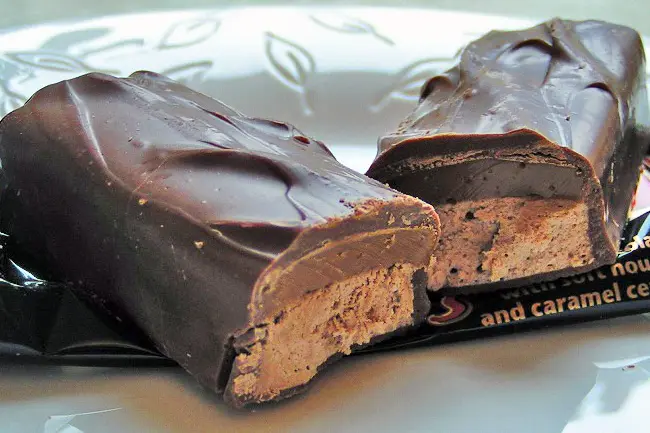
A standard Mars bar weighs 51g — so roughly 9 teaspoons of sugar equivalent per bar. And that figure is based on total carbohydrates, not just the "of which sugars" line. The remaining 10g of carbs beyond the 60g sugar figure are refined starches — glucose syrup and barley malt extract — which your body breaks down into glucose just as fast.
The Full Ingredients List
The ingredients listed on the Mars bar sold in Ireland (as per the Tesco Ireland label) are:
Ingredients
Sugar, Glucose Syrup, Skimmed Milk Powder, Cocoa Butter, Cocoa Mass, Sunflower Oil, Milk Fat, Lactose and Protein from Whey (from Milk), Whey Powder (from Milk), Palm Fat, Fat Reduced Cocoa, Barley Malt Extract, Emulsifier (Soya Lecithin), Salt, Egg White Powder, Milk Protein, Natural Vanilla Extract
Source: Mars bar label, Tesco Ireland. Always check the current label as recipes change.
That is 18 ingredients. A well-made dark chocolate bar needs three or four. Here is what each one actually is.
Ingredient by Ingredient
Sugar — Listed First
Ingredients are listed in order of quantity. Sugar is first — meaning there is more sugar in a Mars bar than any other single ingredient, including milk or cocoa. Per 100g, the bar contains around 60g of sugars and 70g of total carbohydrates. That is approximately 17.5 teaspoons of sugar equivalent per 100g.
Glucose Syrup — Second Ingredient
Glucose syrup is a highly processed liquid sugar derived from starch — typically wheat or corn. It is cheaper than sucrose, spikes blood sugar rapidly, and has no nutritional value. Its appearance as the second ingredient confirms the bar is predominantly a sugar product. Glucose syrup is associated with the characteristic sticky, chewy texture of the nougat and caramel layers.
Palm Fat
An industrial fat used in place of higher-quality alternatives. Palm fat is refined, bleached, and deodorised — stripped of colour and flavour — and used to provide texture, stability, and shelf life. Its presence means real cocoa butter has been partially displaced. See our full palm oil explainer for more detail.
Emulsifier — Soya Lecithin
Used to reduce viscosity during production and partially replace cocoa butter. Almost always derived from genetically modified soybeans. Not dangerous in small quantities, but its presence confirms an industrially optimised production process. See our soy lecithin explainer.
Natural Vanilla Extract
This one is not necessarily bad — real vanilla extract is a legitimate ingredient. However given the overall ingredient profile, it is likely present in minimal quantities and serves primarily as a flavour patch for the lower-quality base ingredients.
Cocoa Butter and Cocoa Mass
These are present — but not in the quantities you would find in real chocolate. With sugar and glucose syrup listed first and second, and palm fat also present, the actual cacao-derived ingredients are well down the list by weight. The milk chocolate coating on a Mars bar contains milk solids at a minimum of 14% — and the bar overall is required to contain at least 20% cocoa under the Ireland/UK derogation from the EU chocolate directive.
The Sugar Numbers in Context
A standard Mars bar weighs 51g — so roughly 9 teaspoons of sugar equivalent per bar. Most people don't eat just 51g at one sitting, and they rarely eat just one.
Is a Mars Bar Actually Chocolate?
Under EU regulations, a product must contain at least 30% cocoa solids to be legally defined as chocolate. Ireland and the UK have a derogation from this directive — requiring only 20% cocoa. The Mars bar meets this lower threshold.
An Irish Times investigation noted this distinction directly — and it matters, because the health research on chocolate's benefits (antioxidants, flavonoids, cardiovascular support) refers to products with meaningful cocoa content. A bar where sugar and glucose syrup are the two largest ingredients by weight shares a name with real chocolate but very little of its nutritional character.
See how the Mars bar compares to organic dark chocolate and other mainstream bars in our full sugar comparison table.
See the Sugar Comparison →Frequently Asked Questions
A Mars bar contains approximately 70g of total carbohydrates per 100g, with around 60g listed as sugars — roughly 17.5 teaspoons of sugar equivalent per 100g, or about 9 teaspoons in a standard 51g bar.
Approximately 17.5 teaspoons per 100g, or 9 teaspoons in a standard 51g bar. This is calculated from total carbohydrates (70g ÷ 4g per teaspoon) — the total carb figure gives a more accurate picture of blood sugar impact than the "of which sugars" line alone.
Sugar, Glucose Syrup, Skimmed Milk Powder, Cocoa Butter, Cocoa Mass, Sunflower Oil, Milk Fat, Lactose and Protein from Whey, Whey Powder, Palm Fat, Fat Reduced Cocoa, Barley Malt Extract, Emulsifier (Soya Lecithin), Salt, Egg White Powder, Milk Protein, Natural Vanilla Extract. Sugar is listed first — the largest single ingredient by weight.
It meets the minimum legal definition under the Ireland/UK derogation (20% cocoa). However with sugar as the first ingredient and a long list of industrial additives, it has little in common nutritionally with quality dark chocolate.
Yes — listed as "Palm Fat" in the ingredients. An industrial fat used as a cheaper substitute for cocoa butter, contributing to texture and shelf life.
My Ultimate Chocolate
Your go-to source for healthy dark chocolate recipes, ingredient insights, and the truth about what's really in your favourite bar. We help you make better choices — or better chocolate at home.