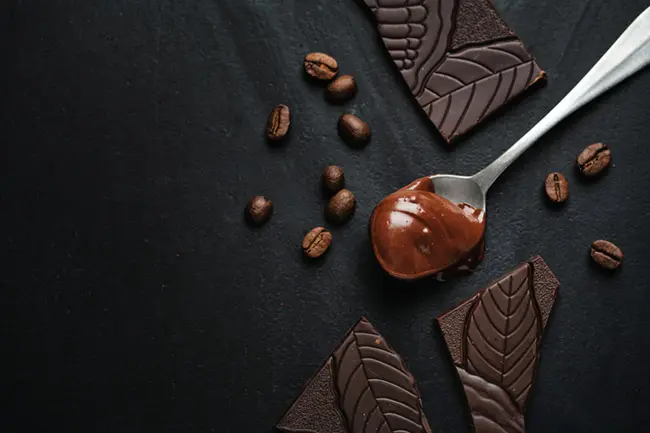
A full batch of homemade chocolate yogurt — 12 generous portions — costs around €4 and takes about 15 minutes of actual hands-on time. The yogurt itself costs €2 in milk once you have a culture going. It tastes better than anything you will buy in a shop. Here is exactly how it works.
The Cost Argument — €40 to €50 a Month in Savings
If you regularly buy quality probiotic yogurt, the maths on making your own is compelling. A single pot of premium organic yogurt in an Irish supermarket costs €3–5. A batch of homemade yogurt from a litre of full-fat milk costs around €2 — and once you have a live culture going, you just use a spoonful from the previous batch to start the next one. The culture is free, indefinitely.
That is roughly the same price as one single pot of premium organic yogurt from a health food shop. If you eat yogurt daily — or feed it to a family — you could easily save €40–50 a month. Over a year that is €500–600, for a product that is genuinely more nutritious and better tasting than what you were buying.
What Actually Goes Into a Batch — A Real Example
Here is what went into a batch made recently — blended in a nutribullet after fermentation, took about 10–15 minutes total:
The Chocolate Berry Yogurt Batch
Base yogurt (made the night before):
- 1 litre full-fat milk — boiled, cooled to 43°C
- 1 tbsp live culture starter (from previous batch)
- Ferment in yogurt maker for 12 hours
Morning blend (10–15 mins):
- The full batch of homemade yogurt
- Organic cacao powder — 2–3 tbsp
- Medjool dates — 3–4, pitted (natural sweetener, fibre, minerals)
- Blueberries and raspberries — a generous handful of each
- Chia seeds — 1–2 tbsp (thickens into a mousse texture as they absorb liquid)
- Psyllium husk — 1 tsp (adults — see note below)
Topping: A small handful of raspberries blended briefly in the nutribullet into a thick paste. Spoon over the top of each portion. Looks and tastes like something from a restaurant.
Result: Around 12 portions. The chia seeds and psyllium husk thicken the yogurt into a mousse-like consistency that holds together beautifully. The cacao and berries make it genuinely rich — not in a processed-sweet way, but in the way something tastes when it is made from real ingredients with actual flavour.
On psyllium husk for children: Psyllium husk is a powerful soluble fibre and works well for adults. For children, the combination of cacao, berries, chia seeds, and dates already provides significant fibre — adding psyllium husk on top may be too much for smaller digestive systems. Check with your GP or paediatric dietitian before adding it to kids' portions. The adult version is excellent. For kids, leave it out or use a very small amount.
The Taste — Honestly Better Than Shop-Bought
This is the part that surprises people the most. There is a widespread assumption that homemade means compromise — that you are trading convenience for health but giving something up in the process. That is not what happens here.
Organic yogurt blended with dates, cacao, blueberries, and raspberries tastes better than any flavoured yogurt you can buy in a shop. The dates add a caramel-like sweetness without any sugar spike. The berries give it sharpness and freshness. The cacao adds depth. The live culture gives it a slight tang that balances the sweetness perfectly. And the mousse-like texture from the chia seeds makes it feel genuinely luxurious.
Compare that to a shop-bought chocolate yogurt — typically made with skimmed milk, modified starch, artificial flavouring, and a sweetener that makes it taste vaguely of chocolate without actually tasting of anything in particular.
A Note on Sugar — For Kids and Adults
If you are making this for children and want to keep it simple, you do not need dates or any of the more complex ingredients. A small amount of honey or even regular sugar stirred into the plain yogurt with some cacao powder is completely fine — and infinitely better than anything with a cartoon on the packaging.
The fat and protein in full-fat yogurt slow digestion significantly. A teaspoon of sugar in a bowl of full-fat live yogurt has a very different effect on blood sugar than the same amount of sugar in a mainstream flavoured yogurt made with skimmed milk and thickeners. The fat, protein, and live cultures change the metabolic picture entirely.
A small amount of sugar in real food made from quality ingredients is not the same as sugar in ultra-processed food. Context matters. What it is combined with matters. Your grandparents understood this instinctively — it is time the rest of us caught up.
🧒 The Kids Version — Simple, Safe & Still Delicious
The full adult batch above is rich in fibre — between the chia seeds, dates, berries, and psyllium husk, it is a lot for a child's digestive system. For kids, keep it simple:
Kids Chocolate Yogurt — The Simple Version
You need:
- Full-fat homemade yogurt (or plain live-culture shop yogurt)
- 1 tsp organic cacao powder or unsweetened cocoa powder
- 1 tsp honey or a small pinch of regular sugar
- Optional: a few blueberries or raspberries stirred in or on top
Method: Stir the cacao and sweetener into the yogurt. Add berries if using. That is it — two minutes, no equipment needed.
The fat and protein in full-fat yogurt slow digestion and blunt the blood sugar impact of the small amount of sweetener. This is a genuinely good snack for children — and a very different thing to a shop-bought chocolate yogurt made with skimmed milk, modified starch, and artificial flavouring.
For kids — skip these from the adult recipe: Psyllium husk (too much fibre for small digestive systems), large quantities of chia seeds, and dates in large amounts. A simpler recipe with cacao, a little honey, and a few berries is the right approach for children.
🫙 Store in Glass — The Microplastics Benefit
One of the underappreciated advantages of making your own yogurt is that you control the container. Most commercial yogurt is sold in plastic tubs — and research into microplastic contamination in food products has raised legitimate questions about how much plastic migrates into the food, particularly with acidic products like yogurt stored at different temperatures over time.
When you make your own, store it in small glass mason jars. The benefits:
- No microplastic migration — glass is completely inert and does not interact with acidic foods
- Portion control — small mason jars mean individual portions, easy to grab and go
- Better for kids — if you are thinking carefully about what goes into a child's food, removing unnecessary plastic exposure is a reasonable step
- Reusable indefinitely — no ongoing cost, no waste
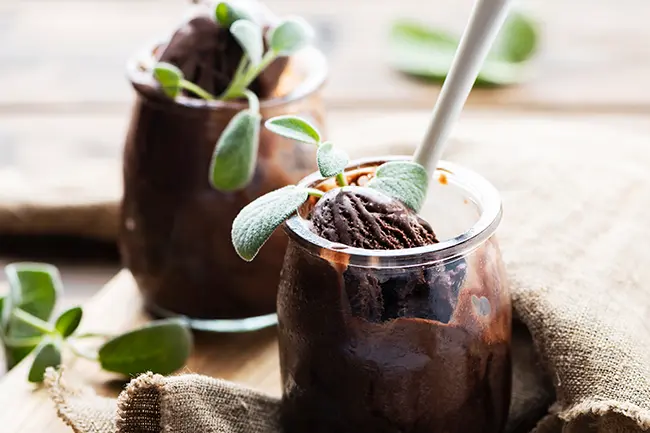
- Looks great — a mason jar of chocolate berry yogurt with a raspberry topping is genuinely appealing
Freezer tip: Homemade yogurt freezes well in mason jars (leave a small gap at the top for expansion). Defrost overnight in the fridge for a ready-made portion, or eat semi-frozen directly from the jar for an ice cream-like treat. Particularly good with the chocolate berry version — the frozen texture is surprisingly good.
The gut health benefits come from multiple directions at once:
Live Cultures — Probiotics
Homemade yogurt made with a live culture starter contains significantly more active bacterial strains than most commercial yogurt. These probiotics support the gut microbiome, aid digestion, and are associated with immune function and mood regulation.
Cacao & Berries — Prebiotic
The flavonoids in cacao and the polyphenols in berries may have prebiotic effects — feeding the beneficial bacteria already in your gut. Dates and chia seeds add soluble fibre that further supports a healthy microbiome.
Compare this to a mainstream flavoured yogurt — often made with skimmed milk, stabilisers, artificial flavour, and sweetener — which may actually contain emulsifiers that research suggests disrupt the gut barrier. The difference in gut impact between the two products is significant.
The Yogurt Maker — What It Does and Whether You Need One
You can make yogurt without a machine — wrapped in a towel in a warm oven works. But a yogurt maker makes the process completely hands-off and produces a more consistent result. The process is straightforward:
- Boil the milk — brings it to 82°C+ to kill unwanted bacteria
- Cool to 43°C — the temperature at which live cultures thrive without being killed
- Add the starter — one tablespoon of live yogurt from your previous batch
- Pour into jars and place in the machine — set it and leave it
- 12 hours later — plain live yogurt, ready to blend or eat as is
No monitoring, no fuss, almost no cleanup. The machine maintains a stable 38–43°C throughout fermentation — the only thing that matters for a consistent result. Once you have a batch going, each new batch costs only the milk.
If you eat yogurt 3–4 times a week, a yogurt maker typically pays for itself within 4–6 weeks.
Want to understand what is actually in mainstream flavoured yogurts and chocolate products? Our ingredient guide covers the additives to watch for.
Chocolate Ingredient Guide →Frequently Asked Questions
A litre of homemade yogurt costs approximately €2 in full-fat milk. Once you have a live culture going, the starter is free — just use a tablespoon from the previous batch. A full chocolate berry batch with cacao, berries, and dates comes to around €4 for 12 portions.
In most respects yes — particularly for live culture content, ingredient quality, and flavour. Homemade yogurt made from full-fat milk with a live starter typically contains more active bacterial strains than commercial equivalents. Blended with real fruit and organic cacao it also tastes significantly better than flavoured shop-bought yogurt.
Homemade chocolate yogurt with live cultures, organic cacao, and real fruit provides probiotics from the live culture, potential prebiotic benefit from cacao flavonoids and berry polyphenols, and fibre from fruit and seeds. This is a genuinely gut-friendly combination — very different from commercial chocolate yogurt made with stabilisers and artificial flavour.
Yes if you eat yogurt regularly. It maintains fermentation temperature automatically with no monitoring needed. If you eat yogurt 3–4 times a week, it typically pays for itself within 4–6 weeks of use compared to buying premium yogurt.
Yes — full-fat live yogurt with a small amount of honey or sugar and some cacao powder is a genuinely good snack for children. For kids, skip the psyllium husk and keep chia seeds and dates minimal. The fat and protein in full-fat yogurt slow digestion and blunt the blood sugar impact of a small sweetener. Far better than any commercial chocolate-flavoured yogurt.
Yes — glass mason jars are ideal. Glass is completely inert and does not interact with acidic foods like yogurt, eliminating microplastic migration concerns. Small mason jars give you individual portions that are easy to store and grab. They work in both the fridge and the freezer.
Yes. Freeze in glass mason jars with a small gap at the top. Defrost overnight in the fridge for a ready-made portion, or eat semi-frozen directly from the jar as an ice cream-like treat. The chocolate berry version is particularly good frozen.
My Ultimate Chocolate
Your go-to source for healthy dark chocolate recipes, ingredient insights, and the truth about what's really in your favourite bar. We help you make better choices — or better chocolate at home.